
Whoa, this is wild. I installed Phantom last week to test NFTs and dApps on Solana. The setup process finished in under five minutes, really. Initially I thought browser wallet installs would be clunky, but then I realized Phantom had a very clean UI and sensible defaults that eased onboarding, especially for NFTs. On one hand it felt lightweight, though actually I noticed deeper settings for networks and developer options that matter once you go beyond simple transfers.
Seriously, it handled my Ledger key fine. I connected a hardware wallet and signed transactions smoothly. Phantom supports NFTs on Solana and shows collections cleanly, which made browsing my tokens feel a lot less like poking around in a spreadsheet. My instinct said somethin’ felt off about one approval prompt (looked like a tiny typo in the domain preview), so I paused and double-checked—good call. Something felt off about that moment, and I’m glad I trusted my gut.
Hmm… the extension also injects useful convenience without being overwhelming. The in-extension swap feature saved me a few clicks and some tiny, annoying fees when I moved a collectible between marketplaces. Initially I thought swaps would be slower than doing them on a DEX page, but then realized Phantom aggregates liquidity and often gets competitive prices. Actually, wait—let me rephrase that—prices vary, so watch slippage and routing, because the best path can change in seconds during busy drops.
Here’s what bugs me about the UX: permission pop-ups sometimes read like developer-speak. I’ll be honest, new users will tap accept if they’re excited about an NFT drop. (oh, and by the way…) the extension could do a better job explaining “what exactly this permission allows” in simple language. That disconnect matters—especially for people new to wallets, wallets that hold both SOL and expensive NFTs, or folks with Ledger backups who think a hardware connection makes everything impossible to lose. It doesn’t.
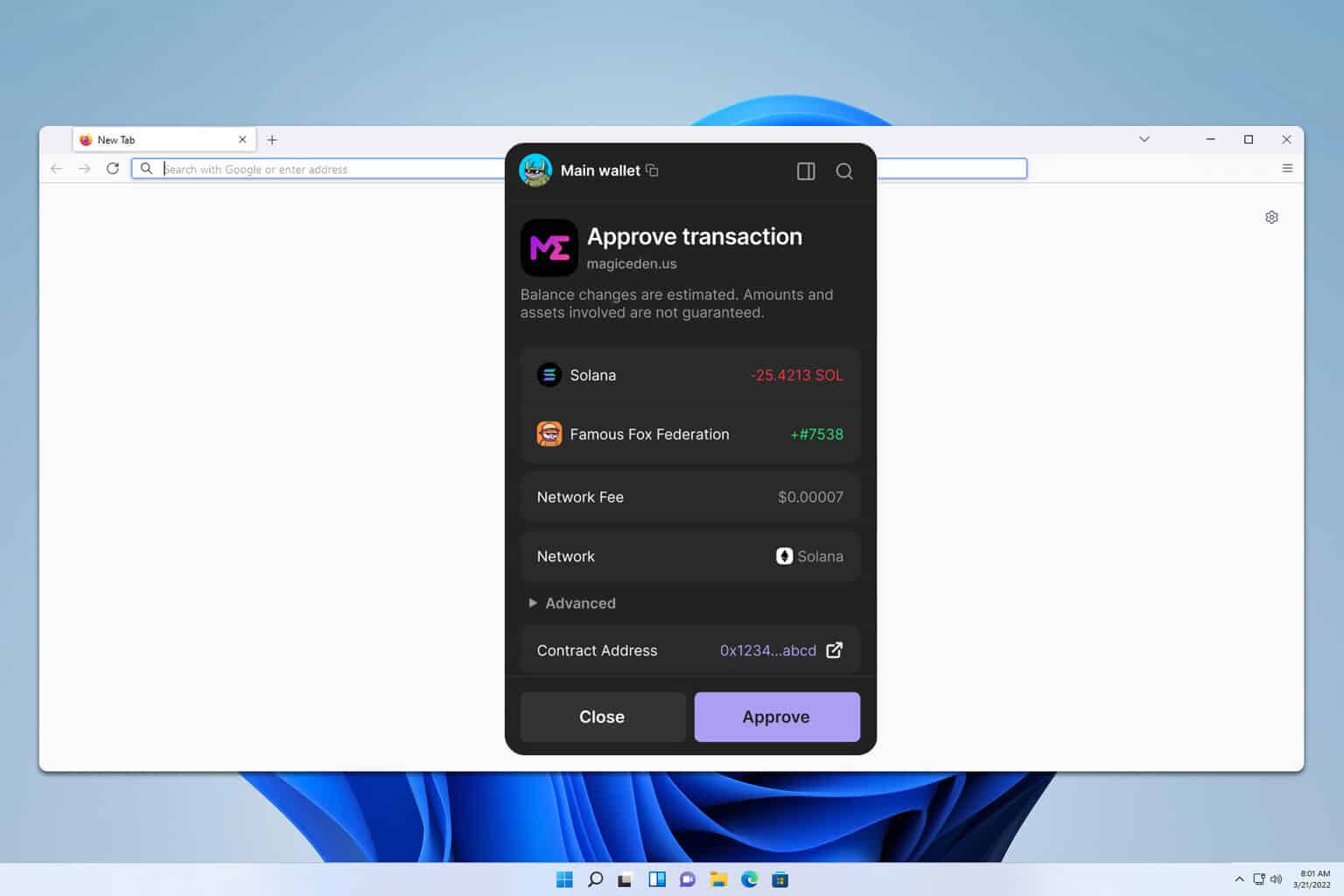
Why Phantom Feels Different (Practical takeaways from real use)
I tested minting a small Solana NFT to see the flow end-to-end. The minting dialog was straightforward, and the transaction breakdown showed fees up front. Wow! Fees were low compared to Ethereum, which made the whole experience less stressful. But the confirmation modal could emphasize which account is signing, because I almost clicked from a different profile (user error, for sure). On one hand the simplicity is great for casual collectors; on the other hand power users need clear cues about which key is active and what authority the dApp requests.
Okay, so check this out—when I connected multiple wallets (desktop extension plus mobile via WalletConnect), Phantom handled account switching smoothly. The mobile pairing had a tiny hiccup (timeout), but reconnecting fixed it. My fast impression was “very very reliable,” though actually reconnect logic could be improved for spotty mobile networks. Initially I thought the mobile flow was purely polished, but then I found edge cases where deep-linking didn’t return to the dApp properly—small, but worth noting.
Security-wise, Phantom does the expected: seed phrase backup, hardware wallet support, and optional biometric unlock on mobile. Whoa! Hardware signing felt seamless. That matters a lot to me because I store high-value NFTs and occasionally move SOL for bids. My instinct said “trust but verify,” so I keep a separate Ledger for cold custody and a smaller hot wallet for daily use. This split is a habit I picked up and it helps avoid stupid mistakes.
If you’re looking for the extension itself, the official installation point I used is the phantom wallet extension page that linked me to the right browser stores. I won’t re-hash every install step here, but do make sure you download the extension from the official source and check the publisher details before you click. Pro tip: verify the exact extension ID or publisher name if you’re extra cautious—it’s a small step that saves a lot of heartache later.
Something else—what surprised me was Phantom’s NFT presentation. Images render in-line, metadata loads quickly, and collection groupings make discovery pleasant. The market links are handy for quick price checks. Hmm, though sometimes metadata from creators is inconsistent, so Phantom can only show what it gets; that leads to blank fields or odd titles. Not Phantom’s fault per se, but still a real user-visible issue.
Performance: the extension stayed responsive across dozens of open tabs and several dApps. I ran a light stress test with wallets connected to two marketplaces and a DeFi app open, and Phantom didn’t choke. Seriously, that’s a plus because some extensions slow down when they re-evaluate permissions or poll network state. That said, when Solana network congestion spikes, transaction confirmations can lag—it’s a network problem, but the wallet UI could do more to explain expected delays rather than leave you guessing.
Here’s a practical checklist from my experience: back up your seed phrase immediately; connect hardware wallets for anything valuable; check permission scopes carefully; prefer official links and verified creators when minting; and keep a small hot wallet balance. I’ll be honest, managing two wallets is fussier, but it has saved me once when a dApp tried a weird permission request. Those little habits matter more than people realize.
FAQ
How do I download and install Phantom extension safely?
Use the official publisher link (search results can show lookalikes) and verify the extension’s publisher. You can start with the official phantom wallet page I used for my tests: phantom wallet. After installing, create a new wallet or import from your seed phrase (only if you’re sure it’s your phrase), and optionally connect a hardware wallet for extra security. If anything seems off—wrong words, odd permission prompts—pause and re-check the source before proceeding.
